
Easy Tips for Keeping Kids’ Art Organized and Clutter-Free
Bringing home your child’s artwork is always a joy. Those colorful drawings, paintings, and craft projects capture moments in time and showcase creativity. But let’s face it—without a system, kids’ art can quickly pile up, creating clutter and making it hard to appreciate each masterpiece. The good news? Organizing your child’s artwork can be simple and even enjoyable. In this post, we’ll share practical tips to help you manage the collection, keep it tidy, and celebrate your child’s creativity.
Why Organize Kids’ Art?
Before diving into the how, it’s helpful to understand why organizing kids’ art matters:
– Preserve memories: Kids’ art reflects different stages of growth and interests.
– Manage clutter: Art projects can accumulate quickly, leading to a chaotic space.
– Encourage creativity: Showing appreciation by organizing and displaying artwork motivates your child.
– Easier to share: Organized art is ready for gifting or sharing with family and friends.
With these benefits in mind, let’s get started on some effective organizing methods.
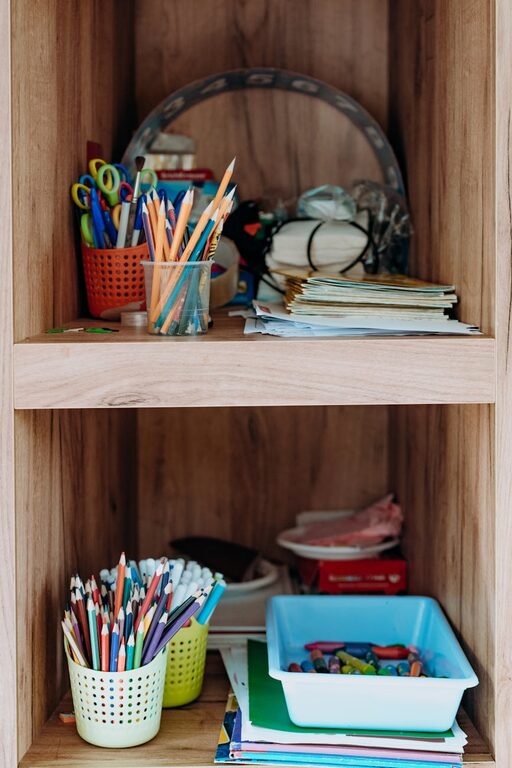
1. Set Up a Dedicated Art Space
Creating a specific area for your child’s art supplies and finished pieces is a great first step.
– Use baskets or bins to hold supplies like crayons, markers, and paper.
– Install a corkboard or magnetic board for displaying current favorites.
– Have a table or desk where your child can comfortably work.
This not only keeps everything in one place but also teaches kids to respect their art materials.
2. Implement an “Artwork Inbox”
Instead of tossing art projects onto countertops or the fridge, designate a container or folder as an “Artwork Inbox.” When your child brings home a new creation:
– Place it in the inbox.
– Schedule a weekly or biweekly “art review” with your child to decide which pieces to keep, display, or recycle.
This system helps prevent overwhelm and teaches decision-making.
3. Choose What to Keep and What to Let Go
Not every piece needs to be kept forever. To manage volume, consider:
– Quality over quantity: Keep the pieces that show skill development, creativity, or special memories.
– Ask your child: Let them pick favorites; this respects their feelings and priorities.
– Discard discreetly: Recycle or throw away art gently once you’ve documented or captured it.
4. Create a Digital Archive
For space-saving and long-term storage, digital archiving is an excellent option.
– Take photos of each artwork, especially bulky or 3D projects.
– Use apps like Artkive or keep folders on your phone or computer organized by date or theme.
– Consider creating photo books or slideshows as keepsakes.
This approach preserves memories without the physical clutter.
5. Display Artwork Creatively
Showcasing some art pieces can brighten your home and boost your child’s pride.
– Rotating gallery: Use frames with easy-open backs or clipboards on walls to swap art regularly.
– String display: Hang a wire or string and use clothespins to clip up art.
– Functional displays: Incorporate art into items like placemats, calendars, or wrapping paper.
Rotate displays based on seasons, holidays, or new projects to keep things fresh.
6. Use Storage Solutions Suited to Your Space
Physical storage is necessary for saved pieces. Some ideas include:
– Portfolios or binders: Store flat art in large plastic sleeves.
– Filing cabinets or boxes: Label sections by year, child, or art type.
– Accordion folders: Compact and portable for smaller collections.
Make sure containers are clearly labeled and accessible for both kids and adults.
7. Repurpose and Gift Artwork
Another meaningful way to manage art is to repurpose it or share it with loved ones.
– Create greeting cards or gift tags from drawings.
– Make collages out of smaller or less sentimental pieces.
– Gift framed art to grandparents or other family members.
This not only declutters but spreads joy.
8. Establish a Routine
Consistency is key. Set a schedule to review and organize art, such as:
– Monthly or quarterly check-ins to sort and store.
– A “Keep, Display, Recycle” decision system.
– Involve your child when appropriate.
A routine avoids overwhelming build-up and makes organizing a part of your family’s rhythm.
Final Thoughts
Keeping kids’ art organized doesn’t have to be stressful. With a few simple systems and a bit of creativity, you can preserve precious memories while maintaining a neat home. Remember to involve your child in the process—it encourages responsibility and celebrates their artistic journey. Whether you choose physical storage, digital archives, or creative displays, the most important thing is that your child’s creativity continues to shine!
Happy organizing!
